Weather Operations

^Fill In^
Topics discussed in this page:
· Weather Assessment
o Understanding virtual weather reports and forecasts
o Impact of weather on virtual flight operations
· Weather-Related Procedures
o Flying in adverse virtual weather conditions
Weather Assessment
Understanding virtual weather reports and forecasts
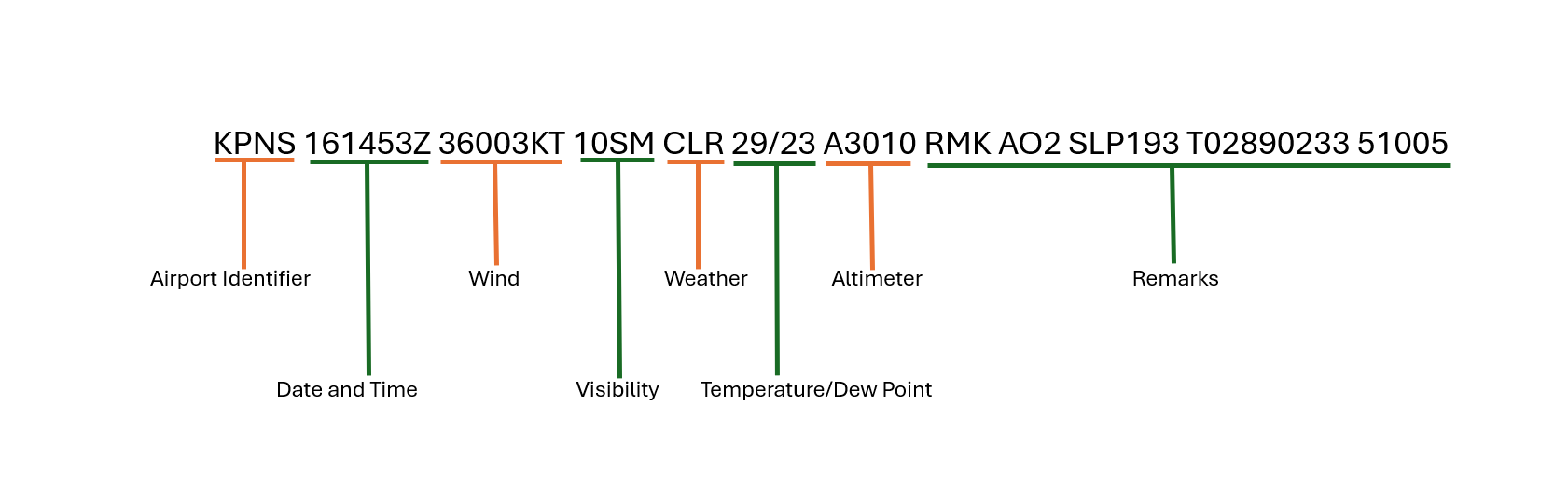
In order to understand virtual weather reports and forecasts you must also understand real world weather reports and forecasts and we will cover that in this section. Weather is one of the most important things to understand if you are going to take to the skies and there are many ways we can check the weather and one of the most important ways for pilots is going to be through what is called METAR or Meteorological Aerodrome Report, METAR's are put out at every airport for the local weather conditions. The format for METAR's might be intimidating at first as they may look like a bunch of numbers and letters but this picture will help you to understand it better.
ATIS information is another way pilots may receive weather forecasts and it is another local means that is provided by the local airport, ATIS is similar to METAR but it is broadcasted on radio and you will need to tune to your departing airports ATIS frequency. Another weather forecasting tool you may already be familiar with is weather radar apps or websites, these will give you more of a visual interpretation of the weather allowing you to see how heavy precipitation or winds may be in areas. No matter the tool you may use it is important for a pilot to check and understand the weather that will impact his flight.
Impact of weather on virtual flight operations
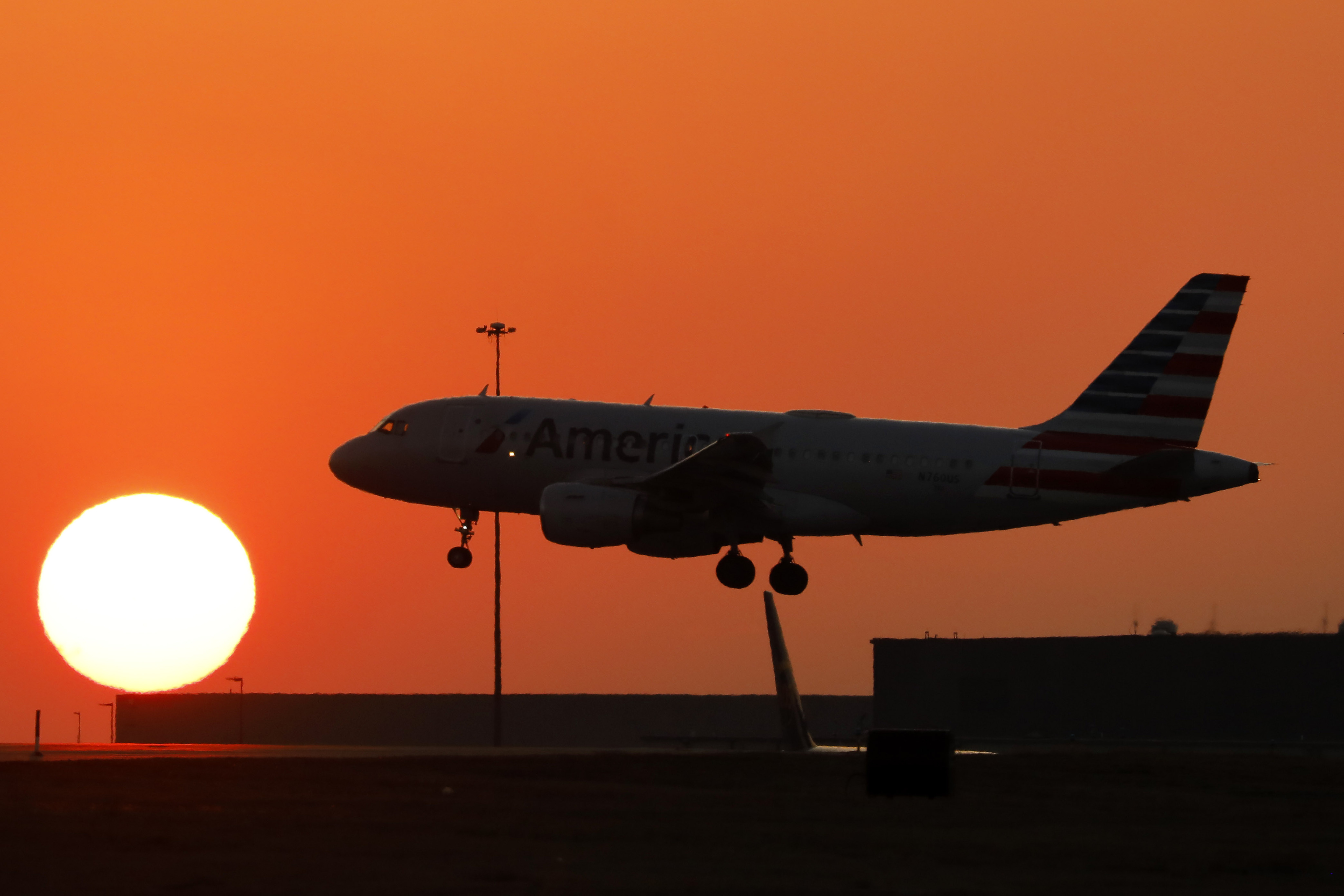
Just the same as on real airline operations weather affects virtual airline operations all the same, with the different seasons we face different adverse weather conditions that we need to pay attention to. In the summer months when the weather is hotter the air is less dense, reducing lift and engine thrust, which may lead to longer takeoff distances and potential weight restrictions for aircraft. Also thunderstorms are more common in the summer months meaning more possible delays to route deviations in order to avoid pockets of severe weather.
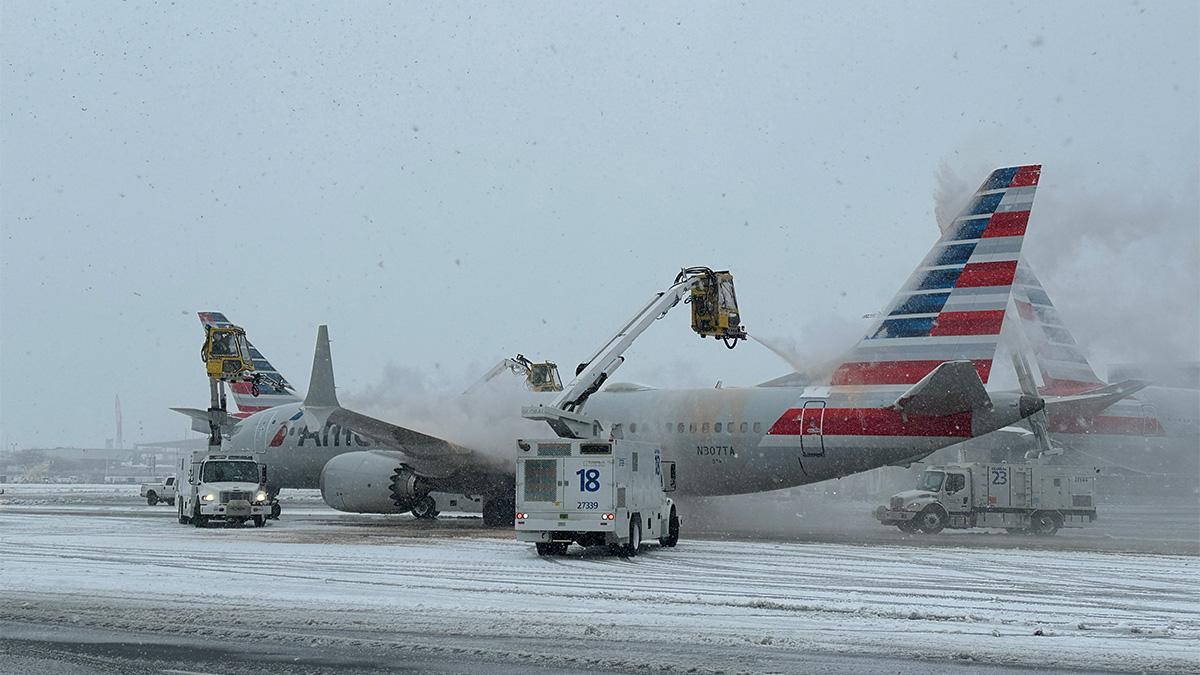
Winter months present their own set of challenges you will be faced with as a pilot, winter weather significantly impacts flying due to potential hazards like ice, snow, and cold temperatures affecting aircraft systems and potentially causing delays or cancellations. In winter months a procedure called de-icing may be required before takeoff if the if the pilot notices on his pre-flight checks or ground crew reports frost,ice,or snow on any of the aircraft's wings or control surfaces American Virtual pilots are REQUIRED to de-ice the aircraft following the departure airports procedures for de-icing operations. All year round as a pilot you will need to be weather aware in order to properly plan and face the weather related challenges you may face.
Weather-Related procedures
Flying in adverse virtual weather conditions
Flying in adverse weather conditions presents significant challenges that demand heightened awareness, sound judgment, and strict adherence to procedures for pilots of American Virtual Airlines. Whether navigating through turbulence, low visibility, thunderstorms, or icing conditions, it is critical to rely on real-time weather updates, and onboard instrumentation,. Pilots must remain vigilant, make timely decisions, and be prepared to adjust flight plans or execute diversions to ensure the safety of passengers and crew. At American Virtual Airlines, pilots must assess weather conditions and inspect for ice or snow on critical aircraft surfaces before departure. If de-icing is required, they should request the service through the simulator's ground handling and ensure the correct fluid type and holdover time are observed, no takeoff should occur if contamination remains after the de-icing procedure.